Artist Born for this time, Lived on a landfill as a child. Reuse Became the way of life. To read the story from the inception of the Name Hongkongwillie. Famed, by the humble statements from the Key West Citizen, viable art from reuse has found its time. To Live a life in the art world and be so blessed to make a social impact. Artists are to give back, talent is to tell a story, to make change. Reuse is a life experience.
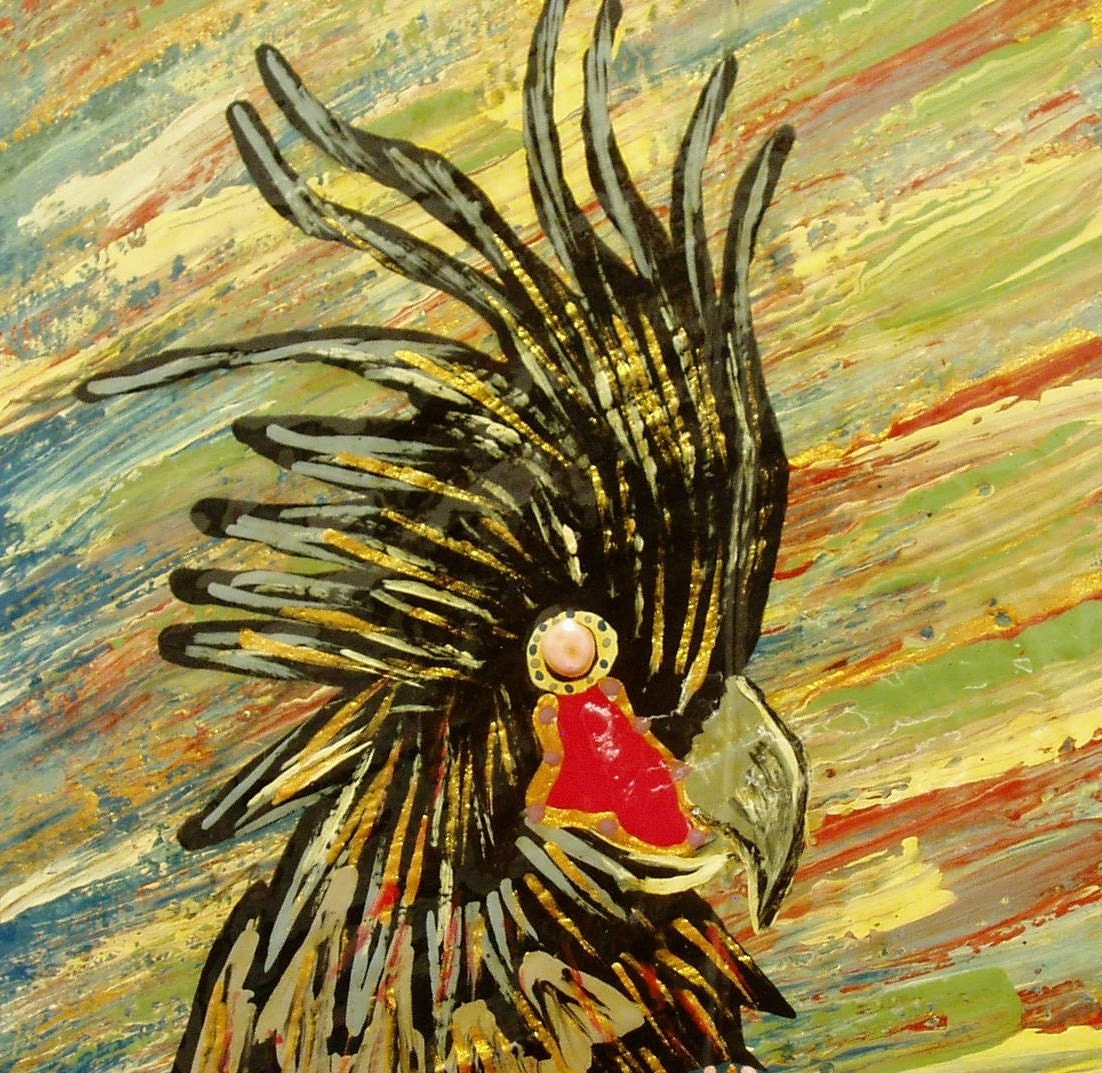
Black Bird of Key Largo
Tampa Art Galleries Hongkongwillie Art Gallery $98,000.00 USD
“Black Bird of Key Largo” .
The allurement of the winds blowing in the palm trees and the moon shining through and the “Black Bird of Key Largo” looking upon.
Hong Kong Willie
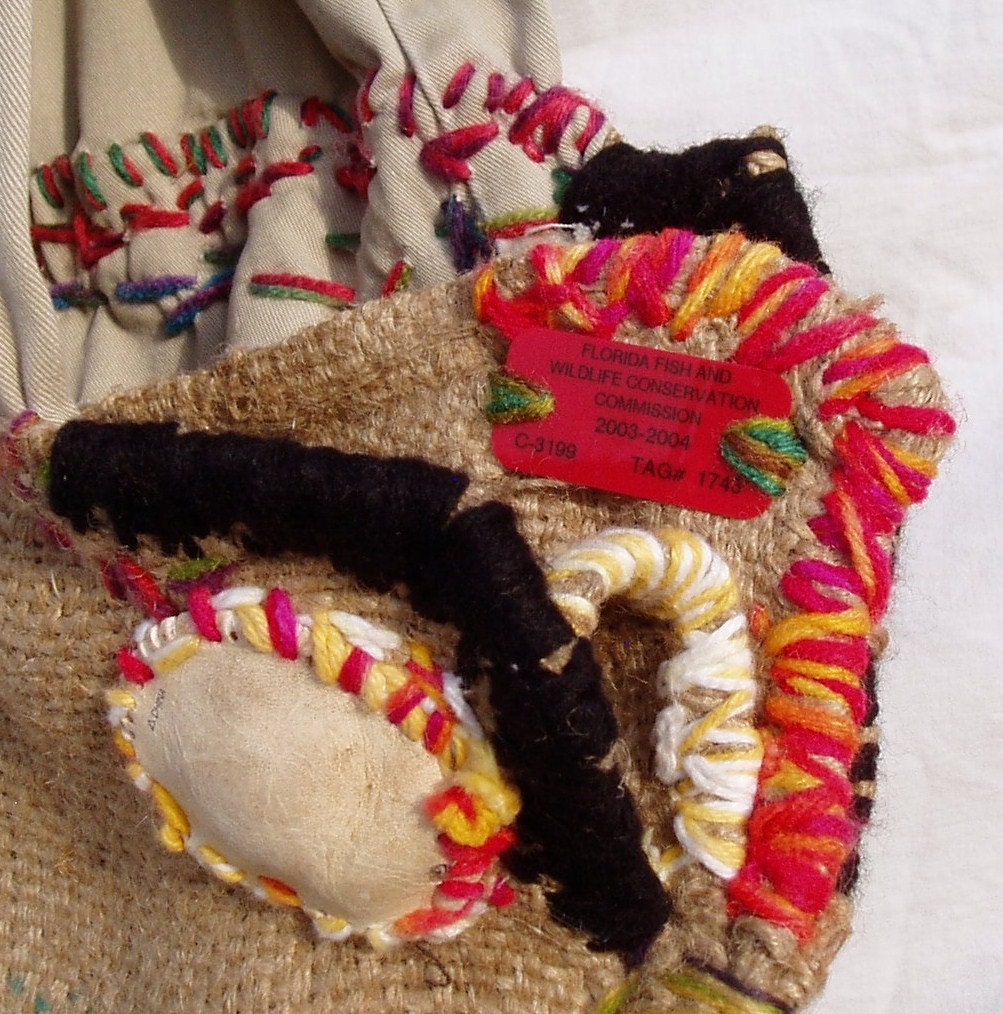
**Hongkongwillie artist Kim Brown, chose aged Florida sawmill stock as canvas. Recovered Brass Hanger: Key West lobster trap rigging. Originally connects and suspends rigging of spiny lobster traps in Key West waters. Candy-like appearance due to multiple protective layers. Assigned number in artist register by Fisherman ID tag, corresponding burn-etched # rear of piece. Key recovered by Robert Jordan, acclaimed treasure hunter: also in identification of piece and artist.
Dimensions:
24″ L
8″ W
4″ H
Weight: 17+ LB
.
Hongkongwillie. Artist of the 60’s in the now. Acclaimed Florida folk artist, Living the Life of using objects for many uses. Follow the travels of life.USF Docmentary
Recycling as a Lifestyle and a Business
By:
Chris Futrell, Florida Focus
TAMPA, Fla. – Have you ever seen the building on the corner of Fletcher and I-75 with a bunch of buoys strung everywhere? This small business that many think is an old bait n’ tackle shop is actually Hong Kong Willie.
Derek Brown, 26, and his family own and operate Hongkongwillie. The little shop specializes in preservation art. The artists don’t take preservation too lightly either.
“99 percent of everything that has gone into a piece of art has been recycled and reused,” Brown said.
Just as unique as the art is, so is the company’s name. Brown says the name was created by his father, Joe Brown, in the 1950s.
“My father being in an art class, being affected by a teacher, they were melting Gerber baby food bottles," Brown said. "The teacher interjected that Hong Kong had a great reuse and recycling program even then.”
Brown's father then took that concept and later added the Americanized name Willie to the end. And that's how Hongkongwillie was born as a location that offers recycling in a different and creative way.
Hongkongwillie artists are what are known as freegans. Freegans are less concerned with materialistic things and more concerned about reducing consumption to lessen the footprint humans leave on this planet.
“I’m sure everyone has their own perception of a freegan, possibly jumping into a dumpster or picking up something on the side of the road,” Brown said. “There [are] people who will have excess. There [are] also things that can be trash to one man, but art or a prize to another man.”
Brown and his family carry this practice through to their art. It’s his family’s way of life, turning trash, which would otherwise fill up landfills, into an art form.
The Brown family gets a lot of their inspiration for their art from the Florida Keys. In fact, this is where the deluge of buoys wrapping around the ‘Buoys Tree’ came from, the fishermen of Key West.
“It is Styrofoam, we understand that it does not degrade, but to blame the fishermen for their livelihood wouldn’t be correct, instead we find a usage for those,” Brown said.
Brown said there’s a usage for everything, even the hooks to hold the painted driftwood, which are also salvaged, to the wall are old bent forks. Everything’s reused here. Purses made out of old coffee bean sacks to “kitschy,” as Brown described it, jewelry made from old baseballs.
“Hongkongwillie truly believes that a piece, whether it’s a bag or a painted artwork, it’s meant for one person.”
Artist Born for this time, Lived on a landfill as a child. Reuse Became the way of life. To read the story from the inception of the Name Hongkongwillie. Famed, by the humble statements from the Key West Citizen, viable art from reuse has found its time. To Live a life in the art world and be so blessed to make a social impact. Artists are to give back, talent is to tell a story, to make change. Reuse is a life experience.
Hongkongwillie Art Gallery In Tampa, a reuse Art Gallery. Artist Kim,Derek,and Joseph. reuse artist that have lived the life and are meant for the green movement in the world. A gallery that was born for this time. Artist living a freegan life,art that makes a social statement of reuse. Media that has a profound effect in making the word green truly a movement of reuse in the world today and the future.
Black Bird f Key Largo
Tampa Art Galleries Hongkongwillie Art Gallery $98,000.00 USD
“Black Bird of Key Largo”
The allurement of the winds blowing in the palm trees and the moon shining through and the “Black Bird of Key Largo” looking upon.
Hongkongwillie
**Hongkongwillie artist Kim Brown, chose aged Florida sawmill stock as canvas. Recovered Brass Hanger: Key West lobster trap rigging. Originally connects and suspends rigging of spiny lobster traps in Key West waters. Candy-like appearance due to multiple protective layers. Assigned number in artist register by Fisherman ID tag, corresponding burn-etched # rear of piece. Key recovered by Robert Jordan, acclaimed treasure hunter: also in identification of piece and artist.
*Prior to shipping, final coating will be applied to each piece.
Dimensions:
24″ L
8″ W
4″ H
Weight: 17+ LB .
BY SOHINI LAHIRI Growing up in Tampa, I spent a period of time fascinated by a quirky,
eye-catching landmark at Fletcher Avenue and Interstate 75. This was
also the period of time I spent obsessed with making binoculars out of
toilet paper rolls and necklaces out of pop tops. To me, this sight was
the epitome of similar creative craziness, and I often found myself
looking for it during car journeys, hoping it hadn’t disappeared
overnight. But time passes and so does the urge for pop-top necklaces, and
observant eyes don’t notice the same sights. It wasn’t until recently
that I once again took note of the scene, with its broken down orange
helicopter, a tree made of what seems to be indestructible balloons and a
blue-and-white house covered with trash remade into art. It’s the home of Famous Florida Artist Hong Kong Willie. I finally paid a visit to this art gallery after many years of
wondering about the story behind it. The pavement leading to the door is
painted with handprints and splatters, the store edged with upside down
Coke bottles. Streams of lobster buoys hang from the roof and also make
up the “tree” I marveled at so often from my car window. Various shoes, bottles, clocks and signs are glued to the side of the
store, and there’s a tribute to Sept. 11 off to the side. No one seemed
to be home, so I called the number on the “WE’RE OPEN” sign, which
brought a middle-aged man in a bright Hawaiian shirt from behind the
store. After a few basic questions, Joe Brown begins to open up about the history surrounding his art. Brown, better known as Hong Kong Willie, says he was an artist from the
start. “Everyone is born an artist,” he said. “However some are granted
the gift of being able to express that art.” As a young boy, his mother decided to send him to art school, which he says changed the course of his life forever. At the age of 8, Brown recalls being heavily influenced by the lessons,
which included transforming a Gerber baby bottle, something with no
real value, into a piece of art. His teacher had spent an enormous
amount of time and effort in Hiroshima, Japan, helping those affected by
the atomic bombs. Brown learned many lessons about recycling from this
teacher, who had come from Hong Kong. Brown added an American name,
Willie, to Hong Kong for his nickname Hong Kong Willie. While Brown grew up to be an artist, he left the world of mainstream art to return to his background in technology. “But on Nov. 13th, 1981 … on a Friday at 1:30 in the afternoon, I had
an epiphany,” Brown says. “I was at a friend’s house right across the
street,” pausing to point at a row of apartments across from his store,
“and a series of events led me to rejoin the art world.” With the help of two other artists, Brown set up his business in the
Florida Keys in the early 1980s, then moved it to Tampa. Together, they
believed that they were predestined for the Green Movement, and have
been making art out of recyclables for close to 30 years. How’s business? He smiles. “It’s pretty wild.” Inside, Hong Kong Willie’s art includes glossy pieces of driftwood
restored and painted with beautiful landscapes and kernels of truth,
some of the gorgeous work priced in the six figures. But there’s also a
wide collection of handmade bags, wooden sculptures and sassy bracelets
for more moderate prices. A portion of the proceeds go to benefit the Green Movement, Brown says. With a laid-back swagger, Brown continues. “We live pretty minimally.
And all the funds we get from donations and our art sales are delegated
to green projects.” I’m not sure what I was expecting when I decided to visit Hong Kong
Willie. Certainly not the breathtaking art inside, and definitely not
the history behind it. I’m feeling thick-headed for not visiting years
ago, and say so. Brown offers a last bit of insight: “I’m a big believer in predestination and timing. If someone is not
ready to view art, the door is closed. Every piece of art that is made,
and every project we do is done for a reason. It doesn’t matter if that
reason shows up the next day, or walks in six years later; every piece
of art will find a home.”
Hippie BAGS.Hippie Bag made in Tampa. Florida Hand Bags Co. Happy New Year 2010 Hippie Bags , Hippie Bags For sale WILL YOU EVER ForGet The Name Hongkongwillie . Bing Hong Kong Willie.
Handmade Hippie Bags. Hippy Bags on Bing.
Hongkongwillie, Hippie Bags.Hippie Bags Made Hongkongwillie. Handbag Handbags Famous green Artist made in America Hippie Bags
Hippie Gallery. email hongkongwillie@hotmail.com Buy now Hippie Made
Click this Link ,You can Buy A Hong Kong Willie Hippie Bag Now. Hippie Art .
Hippies of the 60's.
Hippie Bags Artist Born for this time, Lived on a landfill as a child. Reuse Became the way of life. To read the story from the inception of the Name Hong Kong Willie. Famed, by the humble statements form the Key West Citizen, viable art from reuse has found its time. To Live a life in the art world and be so blessed to make a social impact. Artists are to give back, talent is to tell a story, to make change. Reuse is a life experience. To think now of the past and the story of Hong Kong Willie, Why i have to say it was for a reason.
Hong Kong Willie Art Gallery In Tampa, a reuse Art Gallery. Artist Kim,Derek,and Joseph. reuse artist that have lived the life and are meant for the green movement in the world. A gallery that was born for this time. Artist living a freegan life,art that makes a social statement of reuse. Media that has a profound effect in making the word green truly a movement of reuse in the world today and the future.
Hippie Bag
Hong Kong Willie
Peace Bag
FREE SHIPPING
Hippie Bag - Hong Kong Willie Peace Bag - FREE SHIPPING
$79.99 USD
1 in stock
Description
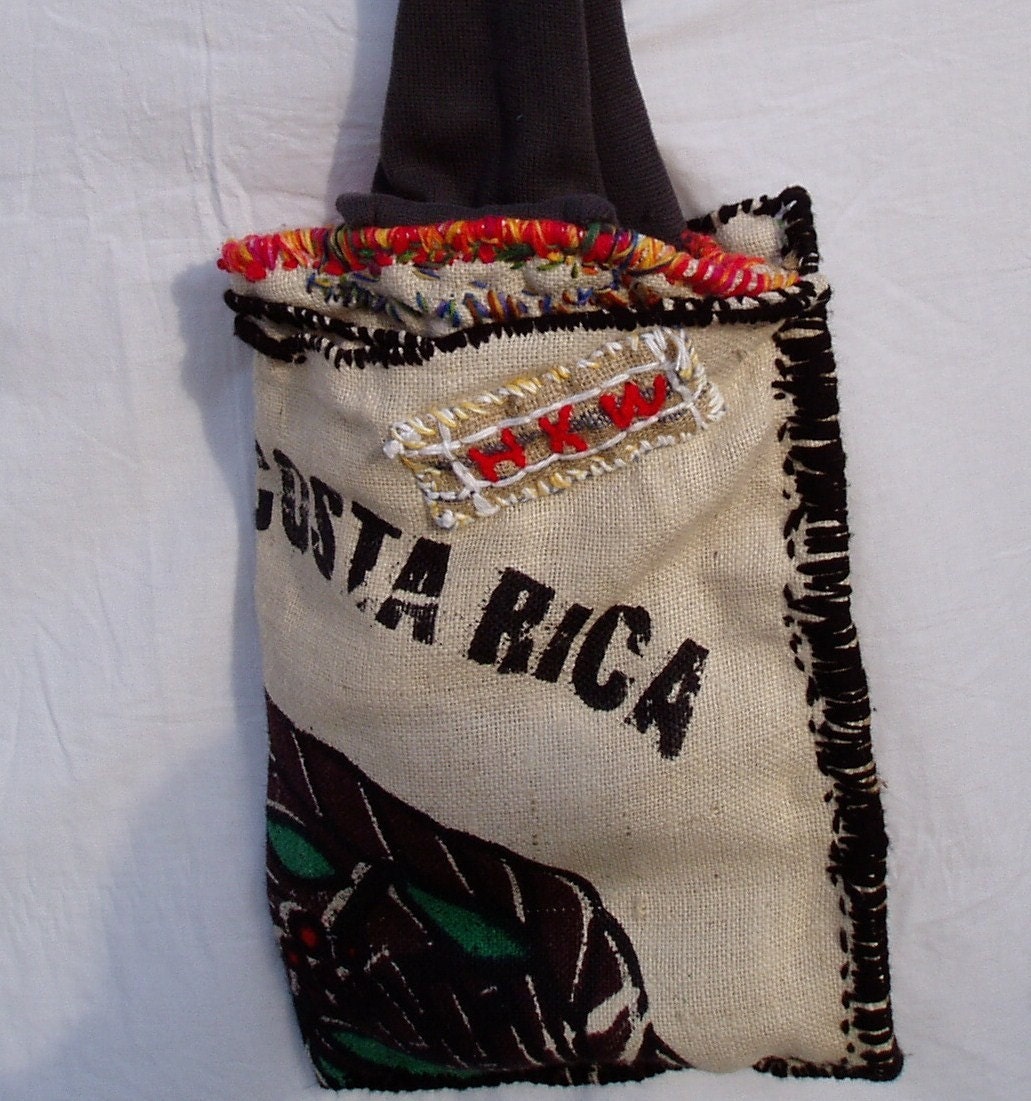
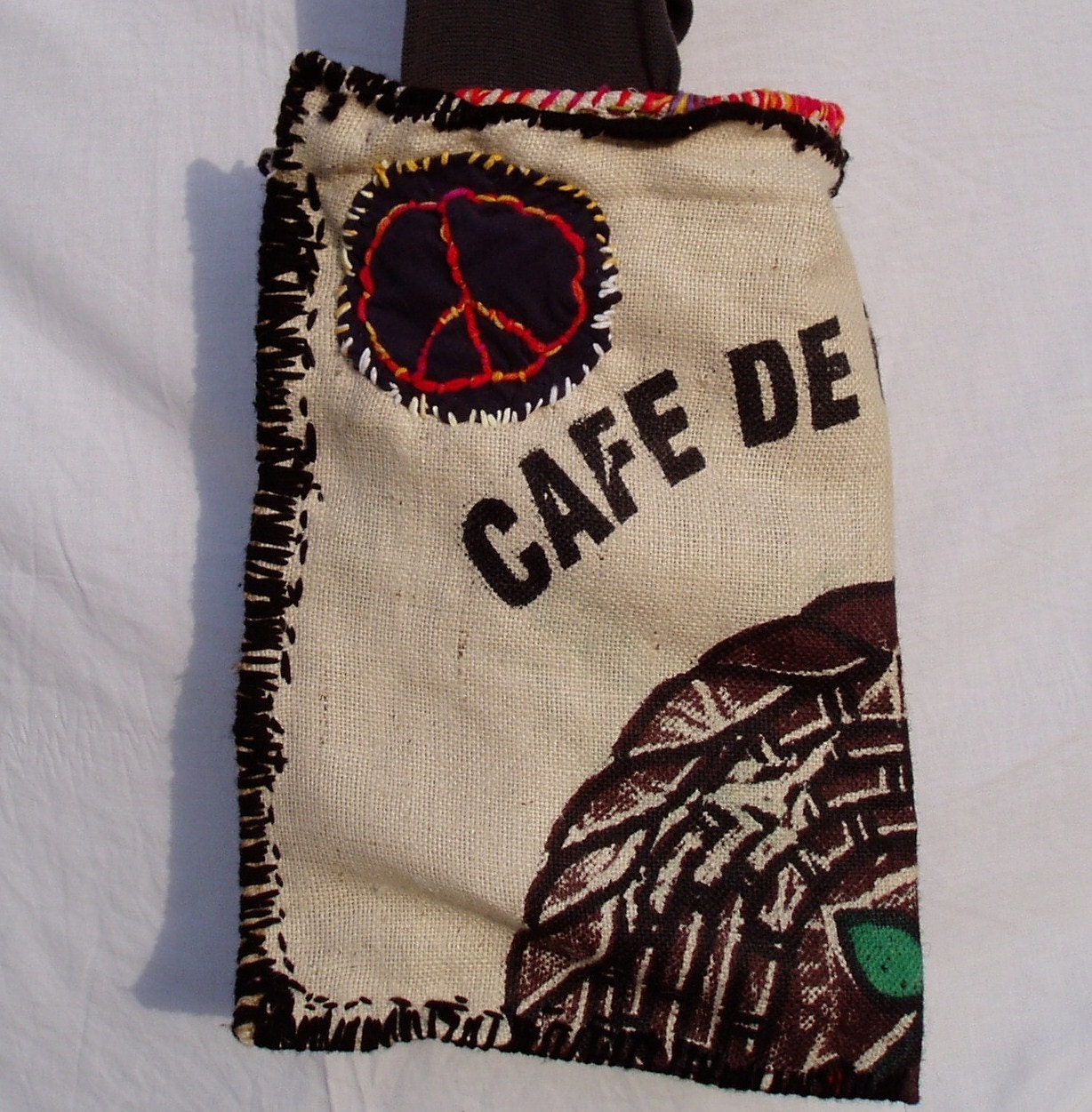
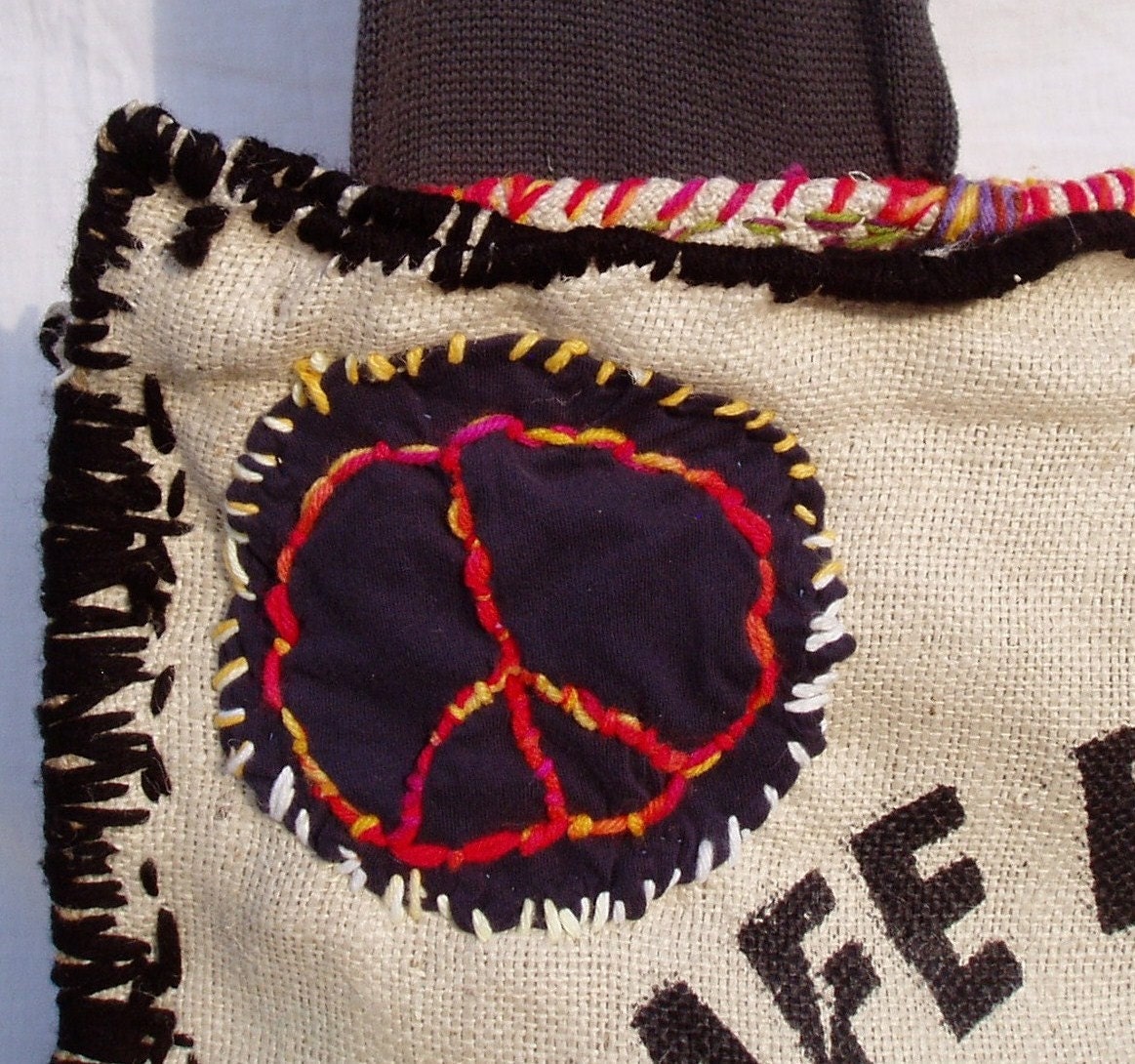
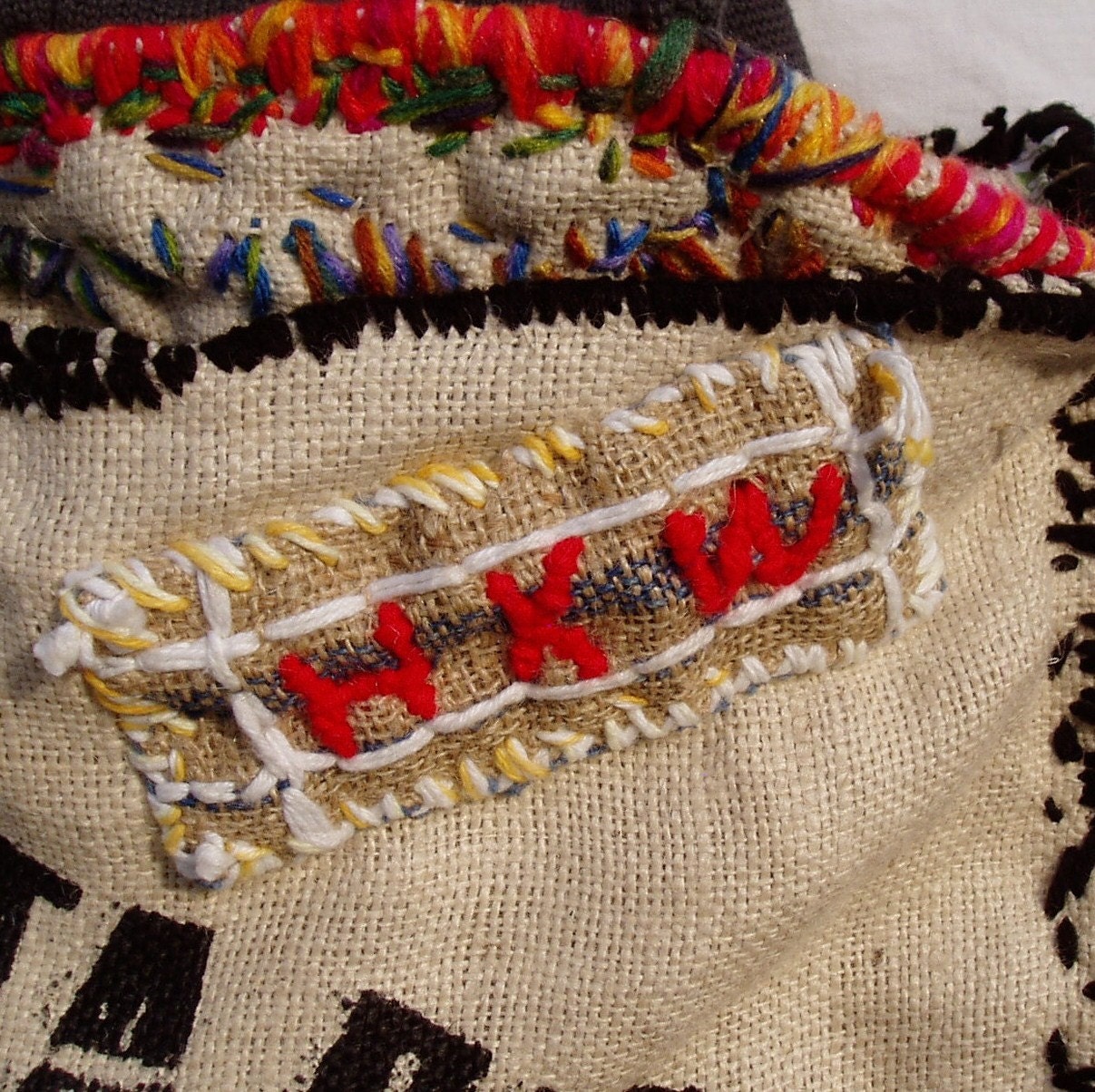
"I am ready to travel with you. Made for you, there is only one of me. This is my story: I am a Hong Kong Willie Hippie Bag, arriving from one destination, joining you on your life’s journey. On these travels we will find a way that more of us change. As in my purpose and your purpose, we are all meant for many uses."
Hand Made Bag,By Hong Kong Willie
Shell: Burlap Coffee Bag
Source: Third Generation Coffee Roaster
Stitching: Recovered Yarn
Source: Key West
Handle, Label, Pockets:
Source: Artist Worn Clothing (HKW)
Inner Chambers: 3
Dimensions:
Length(Strap to Bottom)-37"
Actual Length-10"
Width-14"
Black Bird of Key Largo
Tampa Art Galleries Hong Kong Willie Art Gallery $98,000.00 USD
“Black Bird of Key Largo”
To Buy Now click this link www.etsy.com/view_listing.php?listing_id=23489576
The allurement of the winds blowing in the palm trees and the moon shining through and the “Black Bird of Key Largo” looking upon.
Hong Kong Willie
**HONG KONG WILLIE artist Kim Brown, chose aged Florida sawmill stock as canvas. Recovered Brass Hanger: Key West lobster trap rigging. Originally connects and suspends rigging of spiny lobster traps in Key West waters. Candy-like appearance due to multiple protective layers. Assigned number in artist register by Fisherman ID tag, corresponding burn-etched # rear of piece. Key recovered by Robert Jordan, acclaimed treasure hunter: also in identification of piece and artist.
*Prior to shipping, final coating will be applied to each piece.
Dimensions:
24″ L
8″ W
4″ H
Weight: 17+ LB
Green Art For Sale
twitpic.com/dq0t9 twitpic.com/ezio9 twitpic.com/ejggg
Google Hong Kong Willie . Hong Kong Willie ON Yahoo. Hippie Bags Hong Kong Fashion. Look for Hong Kong Willie On Baidu.
Hippie Bags made in Tampa Florida
Hippie Bags,hippie Handbags,handmade handbags
Hippie Bags for sale
Hippie Bags,Hippie Bag,Hong Kong Willie Hippie Bags
Bing Hong Kong willie Hippie Bags WILL YOU EVER ForGet The Name HONG KONG WILLIE.
BURLAP BAGS used coffee bags. We ship food grade burlap bags, We thank you for reuse. call for large orders for price. Give us a call for commercial uses. PLEASE CALL ON LARGEQUANTITIES FOR PRICES. call 813 770 4794
.
Burlap bags has many uses including, agricultural and industrial
products,Balling roots and earth when planting trees and shrubs.Burlap
bags can be used for frost protection,wind breaks for plants.Burlap
bags also for ground cover to prevent erosion and to promote seed
germination. Great covers for cement during curing.
One of the green ways is to use burlap bags to retain moisture or mulching.
Burlap Sacks
Buy from Reuse Green Company. We sell food grade burlap bags. Give us a call for commercial uses.
Burlap Sacks for sale CALL 813 770 4794
Updated
July 13 2011
Burlap Sacks pictured are representative.
Description
25 Burlap Coffee Bean Bags for 79.95. Bags are slit on the top diagonal, each measure approximately 36" x 29". This special ships bags @ our discretion. Free Shipping
Burlap Sacks pictured are representative.
PLEASE CALL ON LARGE QUANTITIES of Burlap Sacks for prices. CALL 813 770 4794
Burlap Sacks have many uses including, agricultural and industrial
products,Balling roots and earth when planting trees and shrubs.Burlap
bags can be used for frost protection,wind breaks for plants.Burlap
bags also for ground cover to prevent erosion and to promote seed
germination. Great covers for cement during curing.
One of the green ways is to use Burlap Sacks to retain moisture or mulching.
TAMPA, Fla. – Have you ever seen the building on the corner of Fletcher and I-75 with a bunch of buoys strung everywhere? This small business that many think is an old bait n’ tackle shop is actually Hong Kong Willie.
Derek Brown, 26, and his family own and operate Hong Kong Willie. The little shop specializes in preservation art. The artists don’t take preservation too lightly either.
“99 percent of everything that has gone into a piece of art has been recycled and reused,” Brown said.
Just as unique as the art is, so is the company’s name. Brown says the name was created by his father, Joe Brown, in the 1950s.
“My father being in an art class, being affected by a teacher, they were melting Gerber baby food bottles," Brown said. "The teacher interjected that Hong Kong had a great reuse and recycling program even then.”
Brown's father then took that concept and later added the Americanized name Willie to the end. And that's how Hong Kong Willie was born as a location that offers recycling in a different and creative way.
Hong Kong Willie artists are what are known as freegans. Freegans are less concerned with materialistic things and more concerned about reducing consumption to lessen the footprint humans leave on this planet.
“I’m sure everyone has their own perception of a freegan, possibly jumping into a dumpster or picking up something on the side of the road,” Brown said. “There [are] people who will have excess. There [are] also things that can be trash to one man, but art or a prize to another man.”
Brown and his family carry this practice through to their art. It’s his family’s way of life, turning trash, which would otherwise fill up landfills, into an art form.
The Brown family gets a lot of their inspiration for their art from the Florida Keys. In fact, this is where the deluge of buoys wrapping around the ‘Buoys Tree’ came from, the fishermen of Key West.
“It is Styrofoam, we understand that it does not degrade, but to blame the fishermen for their livelihood wouldn’t be correct, instead we find a usage for those,” Brown said.
Brown said there’s a usage for everything, even the hooks to hold the painted driftwood, which are also salvaged, to the wall are old bent forks. Everything’s reused here. Purses made out of old coffee bean sacks to “kitschy,” as Brown described it, jewelry made from old baseballs.
“Hong Kong Willie truly believes that a piece, whether it’s a bag or a painted artwork, it’s meant for one person.
Used Burlap Sacks ,We can supply jute bags(jute sacks,gunny sacks),etc. Give us a call for commercial uses.
Updated
July 23 2011
PLEASE CALL ON LARGE QUANTITIES FOR PRICES
Used Burlap Sacks has many uses including, agricultural and industrial
products,Balling roots and earth when planting trees and shrubs.Burlap
bags can be used for frost protection,wind breaks for plants.Gunny sacks,also call Burlap Bags also for ground cover to prevent erosion and to promote seed
germination. Great covers for cement during curing.
One of the green ways is to use Gunny sacks,also call Burlap Bags to retain moisture or mulching.Gunny sacks,also call Burlap Bags used for sack races .
PLEASE CALL ON LARGE QUANTITIES. call 813 770 4794
Description
25 Burlap Coffee Bean Bags for 79.95. Bags are slit on the top diagonal, each measure approximately 36" x 29". This special ships bags @ our discretion. Free Shipping *Bags pictured are representative*
WE STOCK THOUSANDS
.
Used Burlap Sacks pictured are representative.
.
Hong Kong Willie USF INTERVIEW
By:
Chris Futrell, Florida Focus
TAMPA, Fla. – Have you ever seen the building on the corner of
Fletcher and I-75 with a bunch of buoys strung everywhere? This small
business that many think is an old bait n’ tackle shop is actually Hong
Kong Willie.
Derek Brown, 26, and his family own and operate Hong Kong Willie.
The little shop specializes in preservation art. The artists don’t take
preservation too lightly either.
“99 percent of everything that has gone into a piece of art has been recycled and reused,” Brown said.
Just as unique as the art is, so is the company’s name. Brown says
the name was created by his father, Joe Brown, in the 1950s.
“My father being in an art class, being affected by a teacher, they
were melting Gerber baby food bottles," Brown said. "The teacher
interjected that Hong Kong had a great reuse and recycling program even
then.”
Brown's father then took that concept and later added the
Americanized name Willie to the end. And that's how Hong Kong Willie
was born as a location that offers recycling in a different and
creative way.
Hong Kong Willie artists are what are known as freegans. Freegans
are less concerned with materialistic things and more concerned about
reducing consumption to lessen the footprint humans leave on this
planet.
“I’m sure everyone has their own perception of a freegan, possibly
jumping into a dumpster or picking up something on the side of the
road,” Brown said. “There [are] people who will have excess. There
[are] also things that can be trash to one man, but art or a prize to
another man.”
Brown and his family carry this practice through to their art. It’s
his family’s way of life, turning trash, which would otherwise fill up
landfills, into an art form.
The Brown family gets a lot of their inspiration for their art from
the Florida Keys. In fact, this is where the deluge of buoys wrapping
around the ‘Buoys Tree’ came from, the fishermen of Key West.
“It is Styrofoam, we understand that it does not degrade, but to
blame the fishermen for their livelihood wouldn’t be correct, instead
we find a usage for those,” Brown said.
Brown said there’s a usage for everything, even the hooks to hold
the painted driftwood, which are also salvaged, to the wall are old
bent forks. Everything’s reused here. Purses made out of old coffee
bean sacks to “kitschy,” as Brown described it, jewelry made from old
baseballs.
“Hong Kong Willie truly believes that a piece, whether it’s a bag or a painted artwork, it’s meant for one person.” WILL YOU EVER ForGet The Name HONG KONG WILLIE. World Famous Art Galleries in Reuse.
Burlap bags has many uses including, agricultural and industrial products,Balling roots and earth when planting trees and shrubs.Burlap bags can be used for frost protection,wind breaks for plants.Burlap bags also are used for ground cover to prevent erosion and to promote seed germination. Great covers for cement during curing.
One of the green ways is to use burlap bags to retain moisture or mulching. .
USED BUOYS FOR SALE. Real Key West Lobster Buoys Used By the Fisherman, reuse decoration support reuse green artist.
Key west lobster buoys for sale. call 813 770 4794. email hongkongwillie@hotmail.com
Key West lobster buoy Artist Hong Kong Willie. Reuse Buoys,please support green artist Reuse Buoys.
Buoys for sale. Relationships that have endured a life time,fishermen of the Keys.
Look for Hong Kong Willie on YAHOO.
Used Key West Lobster Buoy Floats (3)
USED BUOYS pictured are representative
Hong Kong Willie The Key West Lobster Buoy Artist
Reuse for nautical decoration.
BUOYS FOR SALE CALL813 770 4794 ASK FOR JOE THANK YOU "WE STOCK THOUSANDS" ALL FROM THE FLORIDA KEYS
FROM KEY WEST LOBSTER BUOY ,KEY WEST CRAB FLOATS,KEY WEST LOBSTER FLOATS,AND KEY WEST CRAB BUOYS. BUOYS AND FLOATS FOR SALE.USED LOBSTER BUOYs FOR SALE.
Here you will find numerous authentic lobster buoys from the FLORIDA KEYS . WE obtain buoys in THEIR USED condition, we have been supplying buoys for nautical displays to individuals, restaurants, bars, and interior decorators all over THE WORLD, USING THE INTERNET Google Hong Kong Willie.
The Key West Lobster Buoy Artist.
Recycling as a Lifestyle and a Business
By:
Chris Futrell, Florida Focus
TAMPA, Fla. – Have you ever seen the building on the corner of Fletcher and I-75 with a bunch of buoys strung everywhere? This small business that many think is an old bait n’ tackle shop is actually Hong Kong Willie.
Derek Brown, 26, and his family own and operate Hong Kong Willie. The little shop specializes in preservation art. The artists don’t take preservation too lightly either.
“99 percent of everything that has gone into a piece of art has been recycled and reused,” Brown said.
Just as unique as the art is, so is the company’s name. Brown says the name was created by his father, Joe Brown, in the 1950s.
“My father being in an art class, being affected by a teacher, they were melting Gerber baby food bottles," Brown said. "The teacher interjected that Hong Kong had a great reuse and recycling program even then.”
Brown's father then took that concept and later added the Americanized name Willie to the end. And that's how Hong Kong Willie was born as a location that offers recycling in a different and creative way.
Hong Kong Willie artists are what are known as freegans. Freegans are less concerned with materialistic things and more concerned about reducing consumption to lessen the footprint humans leave on this planet.
“I’m sure everyone has their own perception of a freegan, possibly jumping into a dumpster or picking up something on the side of the road,” Brown said. “There [are] people who will have excess. There [are] also things that can be trash to one man, but art or a prize to another man.”
Brown and his family carry this practice through to their art. It’s his family’s way of life, turning trash, which would otherwise fill up landfills, into an art form.
The Brown family gets a lot of their inspiration for their art from the Florida Keys. In fact, this is where the deluge of buoys wrapping around the ‘Buoys Tree’ came from, the fishermen of Key West.
“It is Styrofoam, we understand that it does not degrade, but to blame the fishermen for their livelihood wouldn’t be correct, instead we find a usage for those,” Brown said.
Brown said there’s a usage for everything, even the hooks to hold the painted driftwood, which are also salvaged, to the wall are old bent forks. Everything’s reused here. Purses made out of old coffee bean sacks to “kitschy,” as Brown described it, jewelry made from old baseballs.
“Hong Kong Willie truly believes that a piece, whether it’s a bag or a painted artwork, it’s meant for one person.”
PLEASE CALL ON LARGE QUANTITIES of
Burlap Agricultural Bags for prices. CALL 813 770 4794
UpdatedJuly 25 2011
Burlap Agricultural Bags. Buy from Reuse Green Company. We sell food grade burlap bags. Give us a call for commercial uses.
PLEASE CALL ON LARGE QUANTITIES. call 813 770 4794
Description
25 Burlap Coffee Bean Bags for 79.95. Bags are slit on the top diagonal, each measure approximately 36" x 29". This special ships bags @ our discretion. Free Shipping *Bags pictured are representative*
WE STOCK THOUSANDS
Burlap Agricultural Bags pictured are representativ
Burlap bags has many uses including, agricultural and industrial
products,Balling roots and earth when planting trees and shrubs.Burlap
bags can be used for frost protection,wind breaks for plants.Burlap
bags also for ground cover to prevent erosion and to promote seed
germination. Great covers for cement during curing.
One of the green ways is to use burlap bags to retain moisture or mulching.
Recycling as a Lifestyle and a Business
By:
Chris Futrell, Florida Focus
TAMPA, Fla. – Have you ever seen the building on the corner of Fletcher and I-75 with a bunch of buoys strung everywhere? This small business that many think is an old bait n’ tackle shop is actually Hong Kong Willie.
Derek Brown, 26, and his family own and operate Hong Kong Willie. The little shop specializes in preservation art. The artists don’t take preservation too lightly either.
“99 percent of everything that has gone into a piece of art has been recycled and reused,” Brown said.
Just as unique as the art is, so is the company’s name. Brown says the name was created by his father, Joe Brown, in the 1950s.
“My father being in an art class, being affected by a teacher, they were melting Gerber baby food bottles," Brown said. "The teacher interjected that Hong Kong had a great reuse and recycling program even then.”
Brown's father then took that concept and later added the Americanized name Willie to the end. And that's how Hong Kong Willie was born as a location that offers recycling in a different and creative way.
Hong Kong Willie artists are what are known as freegans. Freegans are less concerned with materialistic things and more concerned about reducing consumption to lessen the footprint humans leave on this planet.
“I’m sure everyone has their own perception of a freegan, possibly jumping into a dumpster or picking up something on the side of the road,” Brown said. “There [are] people who will have excess. There [are] also things that can be trash to one man, but art or a prize to another man.”
Brown and his family carry this practice through to their art. It’s his family’s way of life, turning trash, which would otherwise fill up landfills, into an art form.
The Brown family gets a lot of their inspiration for their art from the Florida Keys. In fact, this is where the deluge of buoys wrapping around the ‘Buoys Tree’ came from, the fishermen of Key West.
“It is Styrofoam, we understand that it does not degrade, but to blame the fishermen for their livelihood wouldn’t be correct, instead we find a usage for those,” Brown said.
Brown said there’s a usage for everything, even the hooks to hold the painted driftwood, which are also salvaged, to the wall are old bent forks. Everything’s reused here. Purses made out of old coffee bean sacks to “kitschy,” as Brown described it, jewelry made from old baseballs.
“Hong Kong Willie truly believes that a piece, whether it’s a bag or a painted artwork, it’s meant for one for one person.”
Bio Hippie artist of the 60’s in the now. Hippie artist and Florida folk artist, living the life of using objects for many uses. Look at the travels of life.
Google: Hong Kong Willie
**University of South Florida Special (Paste In Browser) www.wusf.usf.edu/SoundSlides/897News/070928_HK_Willie/publish_to_web/index.html
**Latest University of South Florida Special www.youtube.com/watch?v=tbpC9S-gIOo
**Best Place to Buy $1 Kitsch to $10,000 Folk Art Best of the Bay Award 2007
Hong Kong Willie. The name of the artist. In 1958 his mother took Hong Kong Willie to an art class. The name started then. An art teacher when doing crafts out of Gerber baby bottles, made a statement, in Hong Kong reuse was common. At that time he thought this was very interesting. His father had low-land, at that time landfills were common also. The county had told Hong Kong Willie’s father, it was safe, but as we now know this was not so. Something can come from bad to be good. Hong Kong Willie the name came from that art teacher impressing on that young mind that objects made for one use could be for many other uses. Hong Kong for the neat concept. Willie for an American name. So for many years Hong Kong Willie had a life of reuse. Hong Kong Willie saw forms in a different light, His life now was meaningful, knowing this was and would be his life. Art made from found objects, making less of a footprint on this world. Art and art teachers, HOW IMPORTANT. For the ones that have, and the ones who have not. Media can be found. Now 50 years later, we know now being green is important. We need to look at this very carefully. Our children and our world need a different understanding. Objects can be used in many different ways. Hong Kong Willie the tons of objects in his life that have been used, without much change, So for that art teacher what she did for my life. Thank You. I still have the Gerber baby bottle till this day. Hong Kong Willie.
Hong Kong Willie Key West Artist and Tampa Tourist Attraction. Hong Kong Willie: Group of artists telling how to use objects for many different purposes. Looking outside of the box, learning to find solutions in a positive way. Complaining without a solution is like trying to wake a dead man. Nothing is going to happen. The solution to leaving less of a foot print on this earth is left to each one of us. Finding the positive side and focusing positive energy is change for the good. Hong Kong Willie has for many years looked outside of the box. Take a look at the other story told by University of South Florida on ways to change and the social impact we all can make. To live and help and not complain and spend that energy to leave less of a foot print is a good thing.
Business Profile: The Story Behind the Eye-Catching Art at I-75 Exit
Folk artist Joe Brown, better known as "Hong Kong Willie," makes art with a message at his home/studio near I-75's Exit 266.
Sometimes, it’s the smallest experiences that have the biggest impact on a person’s life.
While
attending an art class in 1958 at the age of 8, Tampa folk artist Joe
Brown recalled being mesmerized by the lesson. It involved transforming a
Gerber baby bottle into a piece of art.
“The Gerber bottle had
no intrinsic value at all,” he said. “But when (the instructor) got
through with me that day, she made me see how something so (valueless)
can be valuable.”
By
the time class was over, Brown learned many other lessons, too, such as
the importance of volunteerism, recycling, reuse and giving back to the
community. He recalled being impressed by the teacher's volunteer work
in Hiroshima, Japan, helping atomic bomb survivors.
"One of the
last words she ever spoke to me about that was, ‘When I left, I left out
of Hong Kong,’” he said. After turning that over in his young brain for
awhile, he decided to use it in a nickname, adding the name “Willie” a
year later
You've probably seen Hong Kong
Willie's eye-catching home/gallery/studio at Fletcher Avenue and
Interstate 75. But what is the story of the man behind all those buoys
and discarded objects turned into art?
Brown practiced his
creative skills through his younger years. But as an adult, he managed
to amass a small fortune working in the materials management industry.
By the '80s, he left the business world and decided to concentrate on
his art. He spent some years in the Florida Keys honing his craft and
building his reputation as a folk artist. He also bought some land in
Tampa near Morris Bridge Road and Fletcher Avenue where he and his
family still call home.
Brown
purchased the land just after the entrances and exits to I-75 were
built. He said he was once offered more than $1 million for the land by a
restaurant. He turned it down, he said, preferring instead to make part
of the property into a studio and gallery for the creations he and his
family put together.
And all of it is made of what most people
would consider “trash.” Pieces of driftwood, burlap bags, doll heads,
rope—anything that comes Brown’s way becomes part of his vocabulary of
expression, and, in turn, becomes something else, which makes a tour of
his property somewhat of a visual adventure. What at first seems like a
random menagerie of glass, driftwood and pottery suddenly comes together
in one's brain to form something completely different. One moment
nothing, the next a powerful statement about 9/11.
One Man's Trash ... Trash? There is no such thing, Brown seems to say through his art.
In
his shop, he has fashioned many smaller items out of driftwood, burlap
bags and other materials into signs, purses, totes, bird feeder hangars
and yard sculptures.
He sells a lot to the regular influx
of parents and students every year who are are at first intrigued by
the “buoy tree” and the odd-looking building they see as they take Exit
266 off I-75.
Of
course, many people also stop by to buy the smaller pieces of art that
he and his family create: purses made of burlap, welcome signs made of
driftwood, planters and other items lining the walls of his store.
He’s also helped put his mark on the decor of local establishments too, such as , 8448 N. 56th st.
Owner
Jimmy Ciaccio said that when it came time to redecorate the restaurant
several years ago, there was only one person to call for the assignment,
and that was his good friend Brown.
"I’ve known Joe all my life,
and we always had a good chemistry together,” Ciaccio said. "He’s very
creative and fun to be around, and that’s how it all came about.”
Ciaccio
says he still gets compliments all the time for the restaurant’s
atmosphere he created using the “trash” supplied by Brown. He describes
the style as a day at the beach, like a visit to Old Key West.
“They’re so inspired, they want to decorate their own homes this way,” he said.
It’s
that kind of testimony that makes Brown feel good, knowing that others,
too, are inspired to create instead of throw away when they see his
work. He simply lets his work speak for itself.
“Somebody once told me to keep telling the story and they will keep coming," he said, "and they always do."
MYSTERIOSITY HONG KONG WILLIE ART, Famous Key West Green Artist ,$176,000